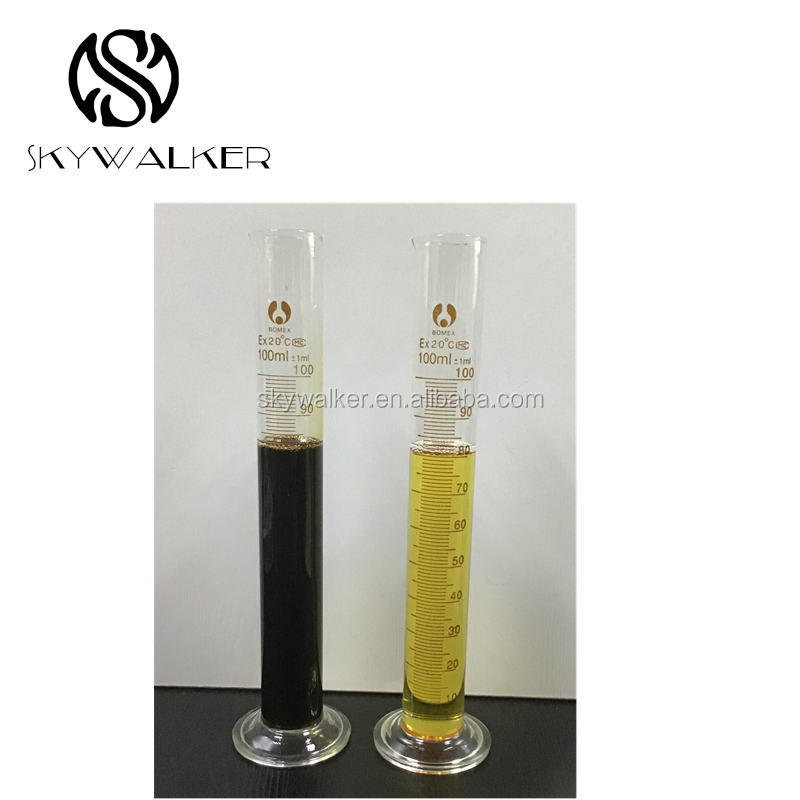
Openingthis filtering substance functions as premium filtering medium generally implemented in various technological functions, particularly when clarifying liquids. Extracted from the fossilized remains of siliceous algae, it holds a unique spongy composition that diatomaceous earth provides superior filtration. This material functions by creating a delicate filtering bed on a membrane filter, retaining minute particles while facilitating fluid passage. Picking the correct classification of siliceous filter medium is vital for achieving desired results.
Employing Diatomite Earth for Clarification
Silica-rich powder, composed of the fossilized remains of microscopic algae called diatoms, presents a distinctive answer for filtration various inputs. Its structure, a lightweight network of quartz-derived shells, provides an incredibly vast surface area. This allows for highly thorough removal of sediments from fluids. Implementations range from water treatment and spirits creation to pool refining and even agrarian procedures. Perks include its eco-friendly origin, economic viability compared to some synthetic alternatives, and its competence to efficiently capture a large-scale array of contaminants.
- Furnishes superior material removal.
- Functions as a renewable choice.
- Suitable for many fields.
Treated Bleaching Substance: Elements and Roles
Activated bleaching substance is a kind of pure montmorillonite that has undergone targeted activation to augment its bleaching faculties. This procedure typically involves biochemical treatment, resulting in a intensified framework with a wide-ranging area. Consequently, it exhibits extraordinary fitness to extract tints from a diverse set of liquids, finding relevant duties in the purification of fatty substances, fats, and other biological components. In addition, its sustainable aspect and low price contribute to its enhancing popularity in various fields.
Assessment of Diatomaceous Earth Relative to Other Filter Aids
Finding the correct filter agent for a specific process can be demanding. While charcoal and other alternatives exist, diatomite typically presents a convincing case for its predominance. In comparison to these competitors, diatomite typically offers greater limpidity and a stronger frequency of filtering impurities. However, that superior choice ultimately rests on determinants such as outlay, application requirements, and desired outcome standard.
Fundamentals of Diatomite Filtration
Siliceous microfossils alternatively called siliceous powder filtration refining leverages the unique or distinct structure of or these microscopic minute algae shells. These said diatoms, upon when death, form produce a sedimentary siliceous rock or material composed or built of intricately or highly porous or structured silica silicate shells. This named porous meshed network structure provides an incredibly astonishingly large capacity for capturing particulate minute matter sediments from through liquids fluids, achieving resulting in highly or effective specialized filtration sifting.
Boosting Bleaching Efficiency with Activated Earth
Advancing said clarifying technique with activated earth presents a advantageous option for increasing performance. The specific environmentally safe material, taken from soil, possesses distinguished retaining traits that enable it to powerfully clear discolored elements from textile fibers, thereby lessening the need for harsh manufactured chemicals and contributing to a cleaner operation.
Understanding Diatomite Filter Aid Grades
Finding the best silica powder level is paramount for effective purification processes. Filtration powder grades are arranged by their screen extent, commonly expressed in fractional sizes. Thinner grades, like FF or Filter-X, offer premium clearness and are applicable for fragile liquids, while chunkier grades, such as Perlite or Celite 500, deliver a heightened processing speed for diminished processes. Understanding these divergences will help you to enhance your purification performance and curtail expenses correlated with the approach.
Ethical Sourcing of Earth-based Earth
The increasing demand for biogenic silica earth necessitates a urgency on ethical sourcing approaches. Traditional recovery often includes significant biological disturbance and can jeopardize nearby ecosystems. Presently, forward-thinking entities are exploring alternatives, such as rehabilitation of vacated sites, ensuring restricted disruption and conserving species variety habitats. Furthermore, visibility in the transit is turning into crucial, allowing purchasers to formulate informed judgments and advocate environmentally sound initiatives. Hence, responsible regulation of microshell residue earth resources is vital for continued availability and reduced environmental results.
- Abated land alteration.
- Rejuvenation of collection sites.
- Improved traceability in the chain.
Treated Lightening Soil: A Experimental Approach
Assessing a empirical outlook, altered brightening layer represents a singular class of tectosilicate minerals. Commencing, hectorite matrix is functionally modified via refinement – typically involving enzymatic intervention – to dramatically amplify its trapping attributes. These conditioning creates a vast region with a significant number of negatively charged locations, facilitating the adsorption of chromatic factors from aqueous phases. The dynamics chiefly involves physical bonds and Van der Waals contacts, yielding a purer result.