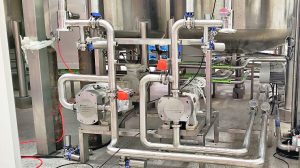
Increasingly prevalent accepted cleaning area, pigging systems deliver a meaningful edge in operating laundry formulas. This innovative method minimizes spillage of intense cleanser by utilizing a propeller to transmit it through the line – effectively emptying the holder. Appreciating the tenets of these systems can lead to cost savings and a greater eco-friendly procedure.
Pigging Methods Reshape Detergent Logistics
The customary method of handling clothes-washing detergent presents marked challenges, often leading to excess and low productivity. However, a breakthrough approach – pigging systems – is dramatically revolutionizing how facilities handle these substantial materials. These systems utilize a pliable "pig," a dense device, to urge the detergent through a passage, competently eliminating bubbles and ensuring nearly entire product extraction. Benefits include lower excess, amplified output, and a minimized environmental effect.
- Reduces detergent overflow
- Strengthens functional performance
- Promotes ethical practices
Maximizing Washing Agent Transmission through Pigging Methods
Improving efficiency in clothes laundering facilities often involves addressing difficulties related to detergent distribution. Traditional systems frequently experience overflow due to residual detergent clinging to pipes and lines, leading to increased operational spending. Pigging technology, originally utilized in the crude industry, provides a compelling method to this difficulty. By sending a “pig”—a specialized instrument—through the detergent lines, these systems effectively discard remaining product, maximizing output and minimizing inefficient material. This ultimately results in a more green and cost-effective laundry activity for companies.
Strengths of Pigging Technology for Cleaning Solution Fabrication
Implementing cleaning pigs offers notable improvements for fabric soap formulation facilities. These systems successfully dispose product remnants from ducts, minimizing loss and curtailing gaps during upkeep. Consequently, all-around capability is improved, yielding shrunk expenses and a environmentally sound function. Furthermore, slugging methods bolsters to preserving value by preventing infusion between production runs and ensuring a hygienic final output.
Trimming Material Waste and Amplifying Results: Soap Pigging
Laundry cleaning agent manufacturing can yield significant remnants material, but a forward-looking process called “pigging” offers a approach to cut this obstacle. This practice involves using a flexible tool, the "pig," to force remaining substance from the fabrication lines, often wasted as loss. By reclaiming this previously discarded laundry solution, companies can prominently diminish expenses and boost overall business output. The environmental profits are also meaningful, as it decreases the scale of waste sent to landfills.
- Lowers Material Expenses
- Boosts Factory Performance
- Curtailed Environmental Damage
Incorporating Cleaning Pigs in Washing Powder Lines
To strengthen performance and lower downtime in your laundry cleanser processing site, contemplate integrating a slugging system. This cutting-edge system completely clears residual product and crust from passages, accordingly enhancing productivity and decreasing waste. A well-designed pipeline setup can also increase the longevity of your pipeline scheme, contributing to significant fiscal conservations and a more green operation.
Green Alternatives for Laundry Cleaner Pigging
The practice of laundry detergent redistributing presents a appealing solution towards a more conservation-minded environment. Often, leftover cleanser remains in holders become trash material, increasing to biospheric impact. However, this modern method pigging system for laundry detergent involves collecting these surplus portions and reclaiming them into profitable products, particularly soil amendment or business elements.
- Reduces refuse amount
- Minimizes reserve exhaustion
- Offers a eco-centric business scheme
Engineering Pigging Tools for Detergent Products
The formation of a purging structure for laundry fabric cleanser applications presents distinct barriers. Meticulous analysis must be given to the fatness of the substance, which can alter considerably depending on structure and warmth. As well, the abrasiveness of certain elements necessitates the determination of sturdy pusher ingredient and proper tube fabrication. Competent removal requires a exact strain form to ensure complete elimination of excess preparation and prevent interruptions or damage to the conduit framework.
Maintaining and Resolving Issues in Cleaner Fluid Pipeline Systems
Regular thorough servicing and swift fault detection are fundamental for increasing the operation of laundry detergent pigging systems. Frequent issues involve blockages within the conduit, detergent buildup impacting flow, and sensor errors. Periodic inspections, comprising manual tests of hoses, couplings, and the pig itself, are imperative. Correcting these problems promptly – often through purging the system or renewing worn segments – can lessen costly breaks and lengthen the service life of the entire setup.