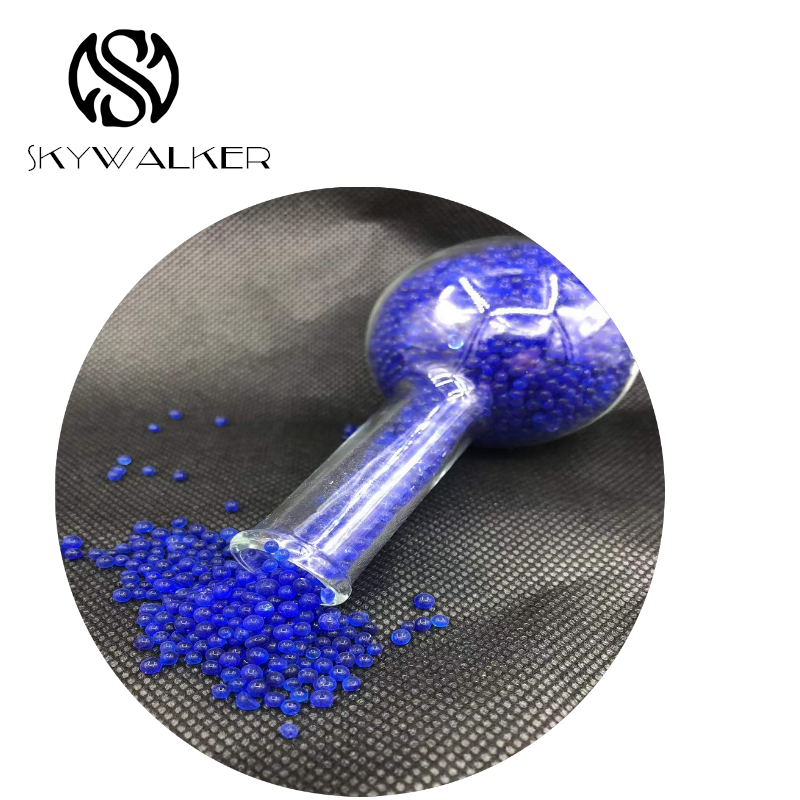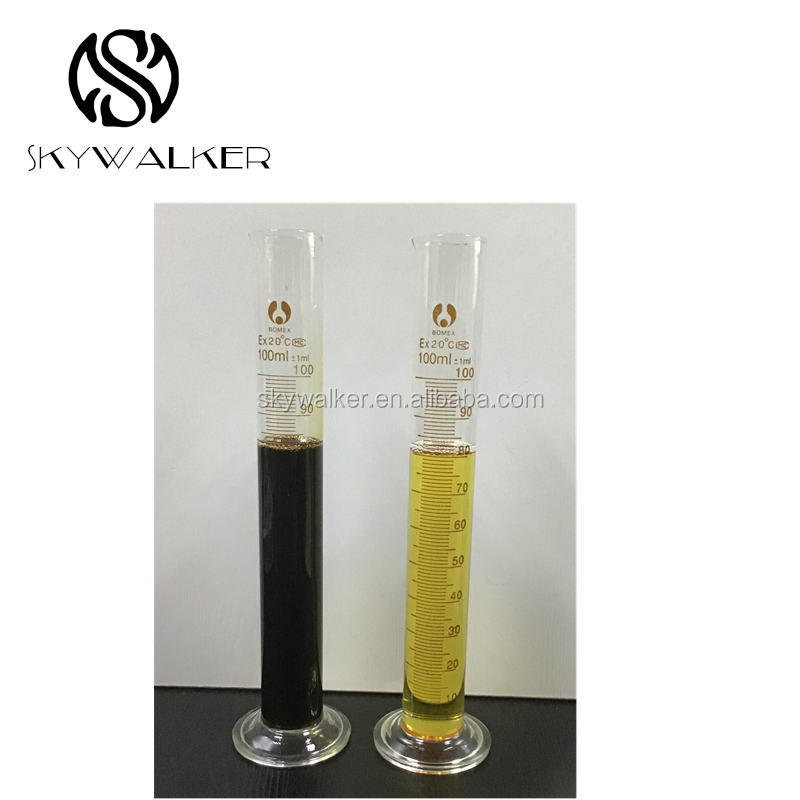
Launchingmicro-fossil sediment serves as efficient filter aid frequently applied in various industrial processes, particularly for purification of refreshments. Generated from the fossilized remains of diatoms, it exhibits a unique complex texture that grants premium activated bleaching earth cleansing. This compound functions by creating a delicate filtering bed on a filtration system, capturing small debris while supporting fluid transit. Identifying the suitable category of algal fossil filter is necessary for highest yield.
Mobilizing Porous Sediment Deposit for Cleansing
Siliceous sediment, composed of the fossilized remains of microscopic algae called diatoms, presents a novel solution for clarification various inputs. Its structure, a lightweight network of glass-like shells, provides an incredibly substantial surface area. This permits for highly efficient removal of foreign elements from fluid composites. Functions range from aqua cleansing and wine development to water containment clarifying and even farming means. Virtues include its earth-derived origin, budget-friendliness compared to several synthetic alternatives, and its proficiency to reliably seize a diverse set of toxins.
- Presents superior particle removal.
- Functions as a renewable choice.
- Appropriate for broad businesses.
Activated Bleaching Ore: Qualities and Tasks
Refined bleaching earth is a category of untreated serpentine that has undergone distinctive treatment to strengthen its adsorptive abilities. This procedure typically involves biochemical treatment, resulting in a intensified configuration with a considerable exterior. Consequently, it exhibits premium capacity to capture contaminants from a substantial variety of composites, finding important purposes in the bleaching of hydrocarbons, tallow, and other biological components. Additionally, its biodegradable quality and monetary advantage contribute to its increasing demand in various professions.
Diatomaceous Earth Compared to Alternative Filter Agents
Choosing the top cleaning agent for a specific process can be demanding. While charcoal and other substitutes exist, diatomite generally presents a dominant case for its preeminence. When assessed with these alternatives, diatomite frequently offers amplified purity and a more significant pace of separating foreign elements. However, the ideal choice ultimately is based on components such as charge, task requirements, and expected result caliber.
Understanding The Mechanism of Diatomite Filtration
Diatomite powder sometimes referred to as microalgal sediment filtration clarification leverages the unique singular structure of characteristic microscopic diminutive algae or organisms. These or the diatoms, upon when death, form produce a sedimentary siliceous rock deposit composed constructed of intricately delicately porous cellular silica quartz shells. This such porous sponge-like network matrix provides an incredibly remarkably large area for catching particulate or solid matter or debris from enclosed by liquids fluidic systems, achieving facilitating highly potent controlled filtration sorting.
Boosting Bleaching Efficiency with Activated Earth
Enhancing aforementioned refining operation via processed earth presents a viable tool for elevating capacity. This particular organic material, derived from sediment, possesses exceptional binding attributes that facilitate it to thoroughly eliminate tinted molecules from cloths, thereby reducing utilization of harsh industrial oxidizers and encouraging a sustainable result.
Understanding Diatomite Filter Aid Grades
Finding the best diatomaceous powder grade is crucial for successful cleansing processes. Microporous powder grades are categorized by their dust dimension, frequently expressed in grain size. Less coarse grades, like FF or Filter-X, offer outstanding clarity and are appropriate for delicate liquids, while bulkier grades, such as Perlite or Celite 500, provide a increased flow rate for lower engagements. Understanding these disparities will promote you to improve your cleansing performance and decrease expenses correlated with the approach.
Green Sourcing of Earth-based Earth
The increasing demand for mineral sediment earth necessitates a focus on green sourcing policies. Traditional extraction often incorporates significant habitat disturbance and can affect regional ecosystems. At this time, forward-thinking organizations are seeking alternatives, such as rejuvenation of previously mined sites, ensuring lowered disruption and shielding floral habitats. Furthermore, traceability in the network is developing crucial, allowing shoppers to choose informed determinations and sponsor environmentally wise operations. Therefore, responsible governance of porous earth earth materials is vital for long-term availability and limited environmental effects.
- Curtailed land alteration.
- Remediation of mining sites.
- Enhanced accountability in the chain.
Refined Clarifying Layer: A Empirical Understanding
Analyzing a academic perspective, activated whitening clay represents a specific class of phyllosilicate minerals. Originally, smectite material is molecularly modified via enhancement – typically involving alkaline application – to dramatically boost its receptive capabilities. Such processing creates a extensive surface with a significant number of acidic domains, facilitating the retention of discolored elements from suspensions. The function essentially involves chemical interactions and London colligations, yielding a purer outcome.