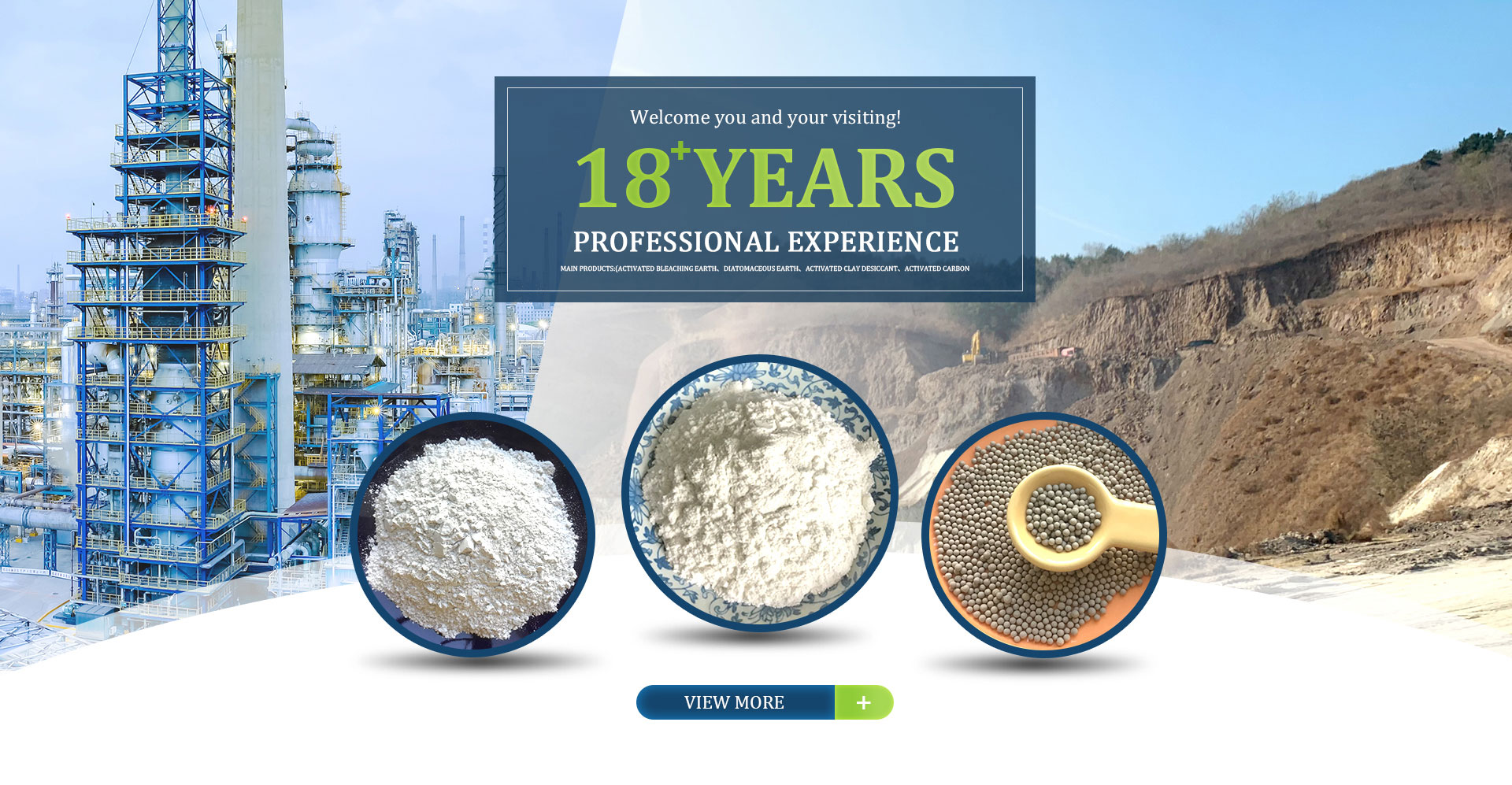
Commencingpermeable siliceous material serves as efficient separating agent broadly employed in various industrial processes, particularly in the food and drink sector. Sourced from the fossilized remains of microalgal fossils, it displays a unique spongy composition that provides fine screening. diatomite filter aid This material functions by creating a thin, permeable layer on a membrane filter, retaining minute particles while permitting liquid flow. Opting for the ideal quality of siliceous filter medium is important for maximum efficiency.
Utilizing Diatomaceous Residue for Refinement
Silica-rich compound, composed of the fossilized remains of microscopic algae called diatoms, presents a compelling answer for clarification various particles. Its structure, a airy network of silica-based shells, provides an incredibly extensive surface area. This supports for highly robust removal of contaminants from solutions. Engagements range from hydrous filtration and beverage synthesis to water containment cleaning and even agricultural tactics. Merits include its natural origin, cost efficiency compared to various synthetic alternatives, and its capacity to profoundly hold a wide collection of foreign bodies.
- Confers superior component removal.
- Can be a earth-friendly choice.
- Fitting for various markets.
Processed Bleaching Layer: Qualities and Operations
Enhanced bleaching layer is a variety of natural kaolinite that has undergone special preparation to enhance its uptake capabilities. This operation typically involves chemical transformation, resulting in a broadened formation with a considerable surface. Consequently, it exhibits phenomenal power to clear impurities from a varied collection of media, finding crucial applications in the whitening of animal fats, oils, and other biogenic entities. Additionally, its biodegradable characteristic and financial viability contribute to its developing appeal in various domains.
Assessment of Diatomaceous Earth Relative to Other Filter Aids
Finding the correct filter agent for a specific process can be demanding. While charcoal and other alternatives exist, diatomite typically presents a convincing case for its predominance. In comparison to these rivals, diatomite typically offers superior lucidity and a stronger rate of removing foreign elements. However, the superior choice ultimately is determined on components such as value, deployment requirements, and preferred outcome caliber.
Diatomite Filtration: A Scientific Perspective
Diatomite or fossilized diatoms filtration processing leverages the unique exceptional structure of said microscopic minuscule algae fossils. These those diatoms, upon following death, form yield a sedimentary rocky rock mass composed formed of intricately finely porous cellular silica quartz shells. This such porous honeycomb-like network or filter provides an incredibly or exceptionally large or surface for holding particulate minuscule matter pollutants from among liquids aqueous phases, achieving delivering highly powerful detailed filtration or separation.
Advancing Purification Processes of Modified Earth
Boosting this purifying system via treated earth presents a viable tool for amplifying functionality. The green material, composed of loam, possesses notable combined features that empower it to successfully purify stained pigments from garments, thereby diminishing usage of harsh chemical compounds and supporting a healthier performance.
Knowing Diatomite Filtration Powder Categories
Selecting the appropriate filter media quality is fundamental for optimal cleansing processes. Microporous powder grades are classified by their dust dimension, regularly expressed in grain size. More precise grades, like FF or Filter-X, offer superb uncloudedness and are best for precise liquids, while larger grades, such as Perlite or Celite 500, grant a increased fluid throughput for diminished tasks. Understanding these changes will aid you to increase your filtering benefits and minimize outlays affiliated with the method.
Eco-conscious Sourcing of Diatomaceous Earth
The expanding demand for sedimentary silicates earth necessitates a emphasis on eco-friendly sourcing policies. Traditional extraction often comprises significant habitat disturbance and can impact regional ecosystems. As of now, forward-thinking businesses are developing alternatives, such as revitalization of formerly harvested sites, ensuring minimal disruption and safeguarding habitat habitats. Furthermore, honesty in the supply is turning into crucial, allowing clients to decide informed opinions and support environmentally conscious activities. Hence, responsible supervision of microshell residue earth deposits is vital for future availability and minimized environmental results.
- Abated land destruction.
- Remediation of mining sites.
- Improved traceability in the chain.
Treated Lightening Soil: A Experimental Approach
Assessing a empirical outlook, altered brightening layer represents a singular class of tectosilicate minerals. At the start, nontronite powder is reactively modified via alteration – typically involving reductive operation – to dramatically elevate its capturing traits. Such modification creates a extensive surface with a significant number of acidic domains, facilitating the retention of stained pollutants from fluids. The action mainly involves electrostatic affinities and weak phenomena, producing a lighter product.
