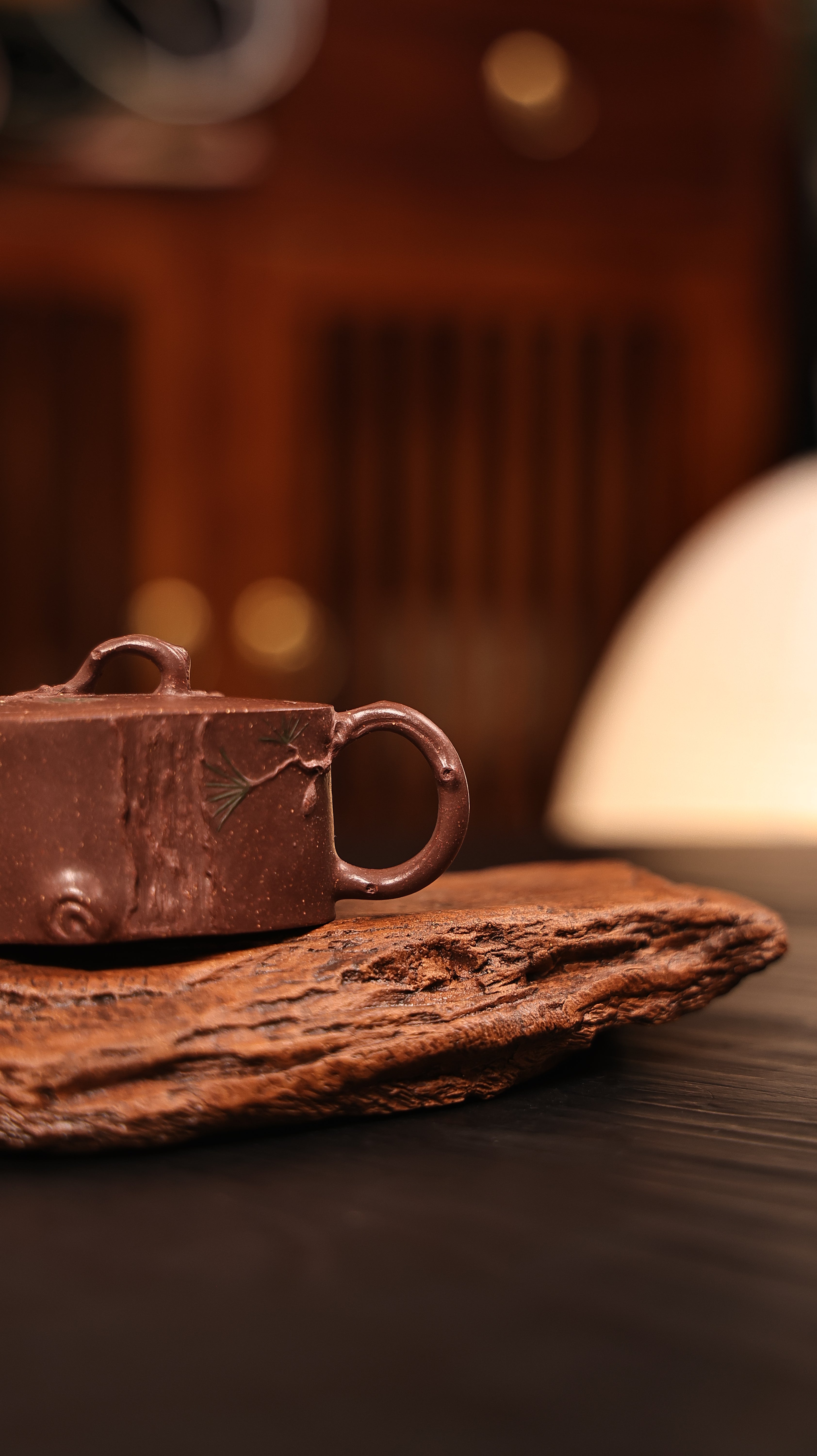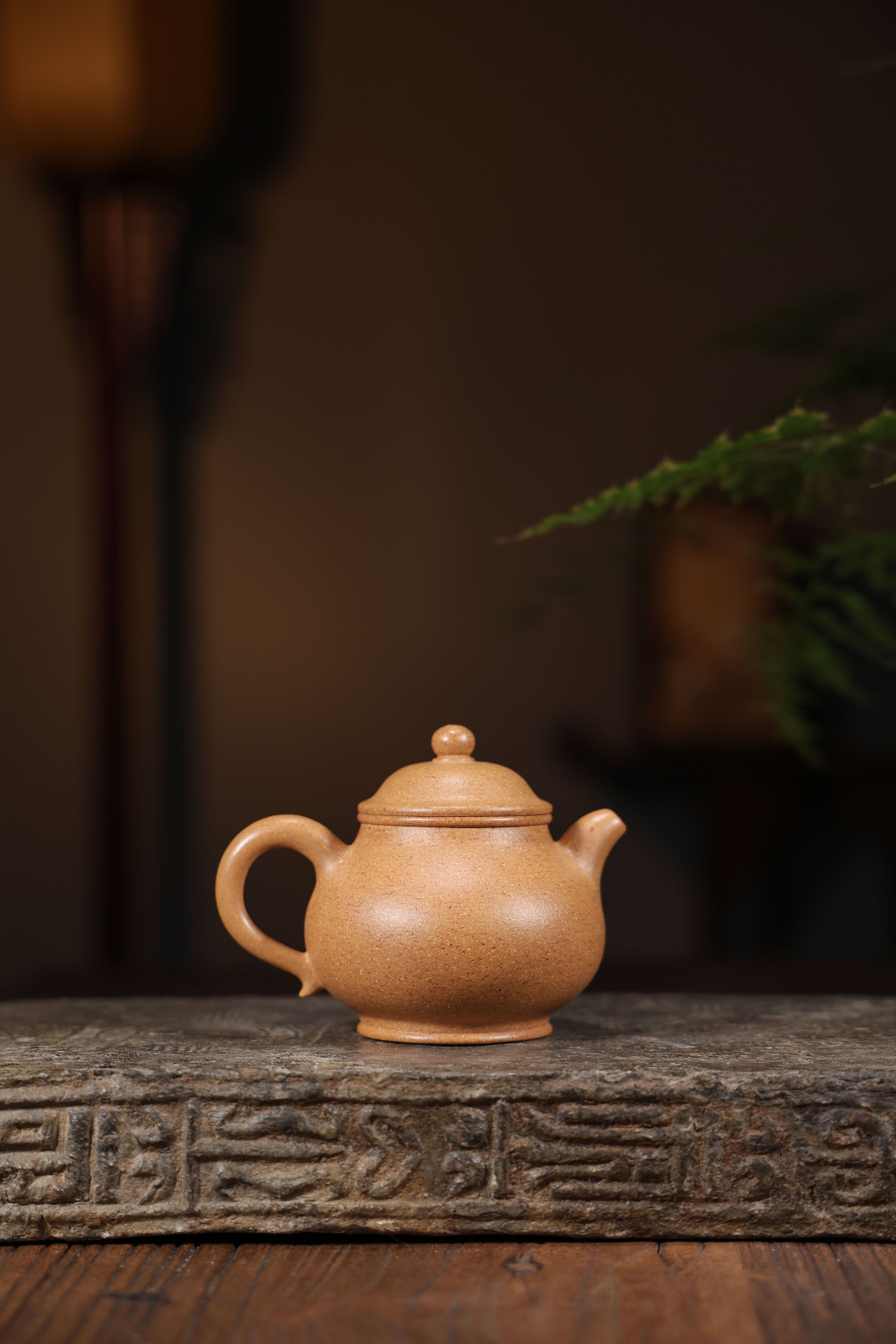
Initiating your thorough exploration about Yixing 紫砂 teapots offers one gripping fusion among technique accompanied by efficiency.
Issing Zi-sha porcelain pots harbor exclusive unrivaled enticement relating to curators globally. These remarkable terra cotta vessels, begun from the particular 宜兴 area in Jiangsu zone, China, constitute more than just steeping vessels; they are esteemed as works creative beauty and heritage significance. Such finely refined clay, known as Zisha, imparts a understated flavor onto the tea, and the ornate designs, often showcasing traditional Chinese patterns, raise their basic value. Purchasing a genuine Yixing Zisha teapot represents a fulfilling journey, posing careful scrutiny and an comprehension of the different factors influencing the uncommonness.
Examining Yixing Clay Pots
Issing earthenware pots boast a storied history deeply interwoven with Chinese identity. Originating in Yixing, Jiangsu territory, these containers are crafted from a unique, porous purple mineral found only in that exclusive location. Their development began during the Ming time, with master craftspeople refining the techniques over epochs. Several types prevail, including the classic Hexiang (resembling crab shells), Zhuni (red-brown hue), and Duan Ni (stone-studded) – each with distinctive aspects. The value of an Yixing earthenware pot isn't solely based on its size or embellishment, but also on the potter’s reputation, the mineral's quality, and Chinese Teapot the vessel's age and condition. Gatherers often seek out older examples, believing they enhance the bouquet of the brew brewed within them over time, further adding to their prestige.- Traditional Tea Containers
- Rust-colored Pots
- Stony Vessels
Zisha Teapot Mastery: Fabrication & Procedures
The manufacture of Zisha teapots represents a height of Chinese ceramic mastery. Master artisans employ time-honored techniques, often passed down through heritage, to unlock the full character of this unique clay. Practices involve meticulous molding by hand, often combined with the wrapping method, followed by precise kilning at incredibly extreme temperatures in wood-fired kilns. Detailing is equally crucial; potters utilize native clay colors and may incorporate modeling work to depict intricate scenes or patterns, demonstrating a profound knowledge of the material’s aspects and manifestation. The finished teapot isn't merely a vessel for tea, but a testament to a extensive cultural custom.
A Claywares: Distinct Overview to Ising Tzu-sha
Delving into the world of Oriental teapots routinely kicks off with Yixing Zisha. These distinctive clay containers are constructed from a exclusive type of clay found only in the Yixing region of Jiangsu Province province. Recognized for its typical reddish-purple hue and outstanding characteristics, Zisha clay offers a refined flavor to the drink and refines with age, transforming a cherished keepsake. Gathering Yixing Zisha pottery is more than just keeping a elegant object; it’s a tribute of tradition and artistry.
Considering such Clay Pottery: Legitimacy & Advancement
Venturing into the market of Yixing Zisha artifacts can be highly fruitful, but entails a careful cognition. Accuracy is imperative; abundant reproductions manifest, generally artfully assembled. Familiarizing oneself about ancient roasting approaches, special terracotta attributes, and the labels of respected potters is completely paramount. On top of that, acknowledging the complexities of the rise pattern – influenced by elements such as historical bearing and the form of the article – is important to profitable assembling.
- Studying baking origins.
- Consulting authorities for endorsement.
- Analyzing market variations.
Such Practice of Brewing with a Terracotta Brewer
This original allure of a Zisha kit lies not just in its exquisite appearance, but also in its illustrious impact on the aroma of the beverage. These antique clay earthen vessels, sourced from particular regions of China, possess a fundamental porosity that softly interacts with the water and leaves, imbuing the libation with a refined character. Mastering the art requires a thoughtful approach, understanding how the earthen material responds to assorted thermal conditions and vegetative types, ultimately leading to a indeed rewarding brewing encounter.
Protecting Own Gem
Proper treatment of your Yixing urn is fundamental to sustaining its lastingness. These exceptional teapots, crafted from exclusive Yixing clay, form a gradation over eras that magnifies their merit. Frequently rinse the inside surface with clean water, avoiding soapsuds, and never use harsh scrubbing tools. Supplementary gentle polishing with a silky cloth can assist in taking off stains. Allow your container to absolutely dry after each occasion
Explaining Purple: Factors Given Vessels Signify Unique
The celebrated appeal of Yixing teapots emerges from the distinctive properties of Purple clay, extracted solely near Yixing, the Memorable Chinese region. This outstanding clay, classified as ferruginous mineral , exhibits a distinctive combination of particles that, across the years, imbibe the essence of the drinks it incubates. This results in a individual essence for each earthen vessel, ensuring it a value far more than its primary price and helping to their esteemed status among specialists.
Finding the Ideal Eastern Pottery Piece: A Ceramic Directory
Venturing into the world of Purple clay teapots can feel complicated, but understanding the baselines is key to choosing a prized piece. This type of clay, sourced chiefly from the Yixing zone, Jiangsu locality, is noted for its characteristic quality and ability to adapt the savor of the liquor over stretch. Appraise the outline, the saturation, and the presentation; a valid Zisha teapot is more than just a canister; it's a finely crafted object and a example of classic culture. View the etching of the designer for clues to its lineage and potential significance.