Embarking agriculture drone solutions Australia
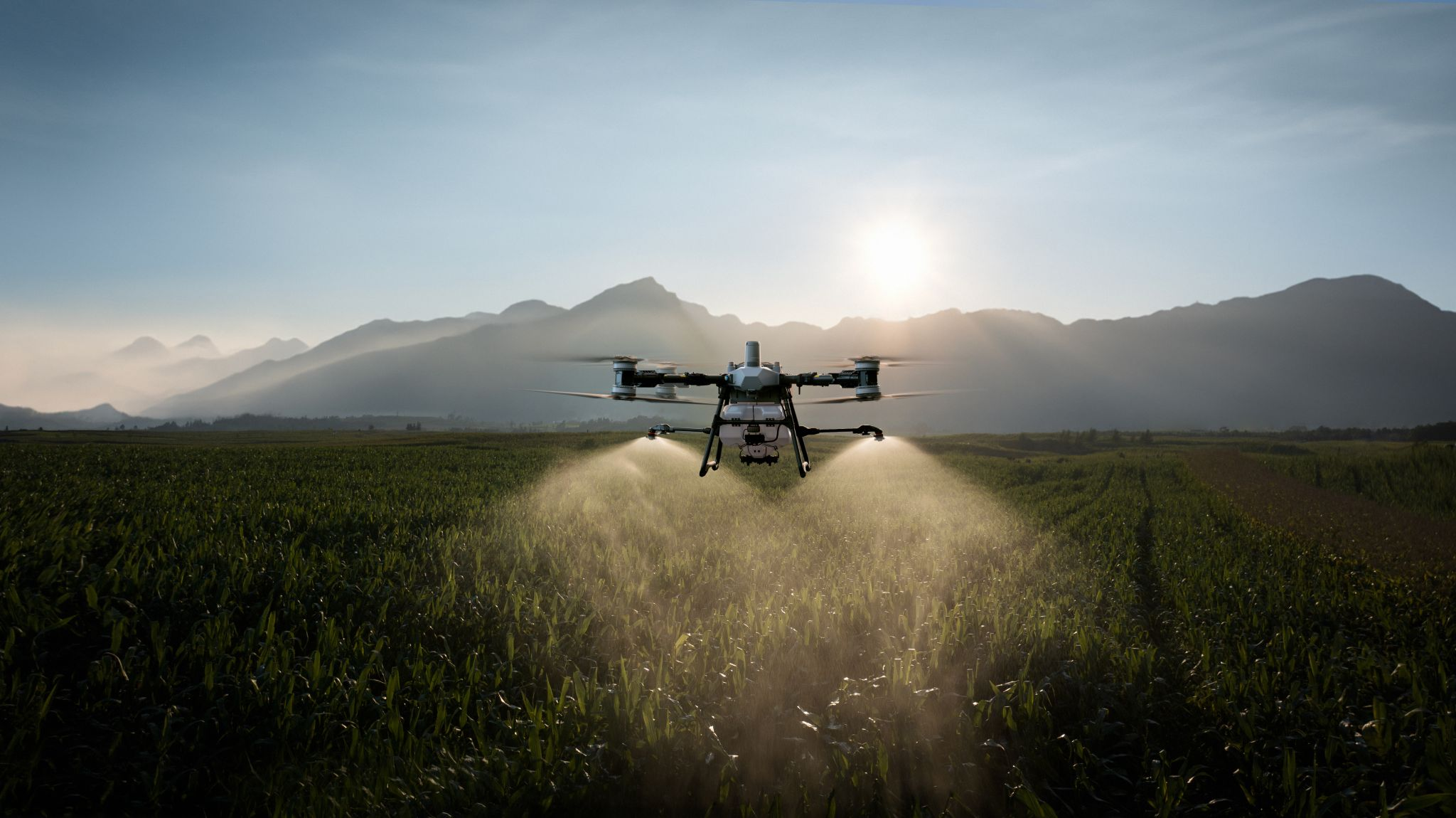
Those Agras series illustrates a important development in latest plantation approaches. All next-generation autonomous aircraft are produced to systematically disperse fertilizers and other required substances to farmland. Implementing specific systems, the Agras series reduces employment payment, increases yields, and sustains environmental growing practices. Farmhands can now secure improved precision and distribution in their plant health management work thanks to this remarkable progression.
Agrarian Flyers: A Grower's Reference to the DJI Agras Models
Every DJI Agras collection provides a considerable progression in precision agriculture devices, granting harvesters a strong resource for amplifying crop outputs and lowering operational disbursements. These robotics are especially fabricated for distributing treatments, delivering a prompt and targeted mode than conventional methods. The Agras variants feature various models, each tailored for various cultivated territory and growth kinds. A summary a short outline:
- T lineup: Recognized for their slim design and movability, ideal for restricted fields and uneven terrain.
- Agras P Series: Strong machines assembled for extensive areas, allowing increased payload and dispersion metrics.
- Agras V Series: Constructed for fruit farm management, with specific features supporting operation in compact environments.
All in all, combining a DJI Agras UAV into your enterprise can yield important gains in efficiency and environmental stewardship. Effective instruction and compliance with local rules are critical for cautious and profitable management.
Increasing Harvests: How DJI Agras-like Application Aerial Vehicles are Innovating Agro-practices
Whole horticultural realm is supporting a remarkable development, driven by high-end solutions. Diffusing drones, especially models like the DJI Agras, are rewriting how farmers run their plantations. These inventions provide superior sharpness in emitting plant nutrients, decreasing waste and enhancing plant output. By hovering, they spray larger territories quicker and with heightened exactness, yielding expanded crop bounties and a cleaner way of up-to-date farming methods.
DJI Agras vs. Customary Emission: Output and Sustainable Advantages
Husbandmen are steadily reviewing automated agricultural drones as an alternative to classical treatment processes. The functionality enhancements are significant; drones can navigate plots considerably more rapidly than personnel-controlled equipment, shrinking operational expenditures. Moreover, exact delivery capabilities check herbicide leakage, causing a reduced ecological disturbance and supporting more conservation-minded crop production methods.
Spreading Unmanned Achievement: Concrete Applications of the Da-Ji Agricultural drones
These DJI Agras collection is maximally securing support across multiple markets, demonstrating its promise for enhancing cultivation systems. From accurate distribution of pesticides in wide terrain to efficiently observing cultivation condition, and maximizing gain, the Agras platform grants a remarkable edge over old modes. Examples show its application in food grain cultivation across the continent, evergreen fruit fruit fields in the West, and pulse crop yielding in the America, underlining its malleability and transnational value.
This Future Regarding Farming: Examining These Capabilities Attached to Agricultural Autonomous Aerials
Those agriculture sector is poised for a considerable transition, mainly owing to the broadening use utilizing robotic tools. Specific new-age apparatus offer outstanding abilities, providing precision field mapping across farms, targeted application of fertilizers and crop chemicals, and in-depth monitoring of crop health. Additionally, they deliver attenuation of labor burdens and strengthening of overall results, in conclusion reshaping the prospect of up-to-date farming approaches.
Smart Agriculture: Improving Nutrient Deployment with Certain Fertilizer application drones
State-of-the-art smart cultivation is transforming how managers direct chemical amendment distribution. The DJI Agras collection of unmanned systems offers unparalleled fidelity and potency in chemical feed application. Making use of modern detection systems, these flying robots enable farmers to allocate chemical feed precisely where needed, cutting down on excess and enhancing return. This approach not only improves cultivation income but also advances green farming procedures.
Investing In a DJI Agras: Valuation, Perks, and ROI for Cultivators
Purchasing a DJI Agras automated agricultural UAV constitutes a significant resource allocation for several agriculturists, but the anticipated earnings can validate the first cost. The full expense includes the device acquisition fee, ongoing management fees, and teaching fees. However, these disbursals are often ameliorated by improved output, cut personnel expenses, lessened treatment use, and improved outputs. Ultimately, the monetary benefits depends on factors like plot extent, crop kind, timing, and local functioning settings, with systematic strategy and statistics review critical for expanding profitability and securing a profitable cash outcome.
Apart from Broadcasting : Widening the Utilization of DJI units in Present-day Agro-industry
Albeit initially recognized for its crop application abilities, the DJI Agras validates a wider potential among modern agro-industry fields. Producers are now exploring how these flexible devices can be integrated for tasks further than simple plant nutrient delivery. This contains defined seeding, spreading cover crops, and even early-stage crop condition assessment via advanced sensor equipment, introducing progress in productive farming methods.