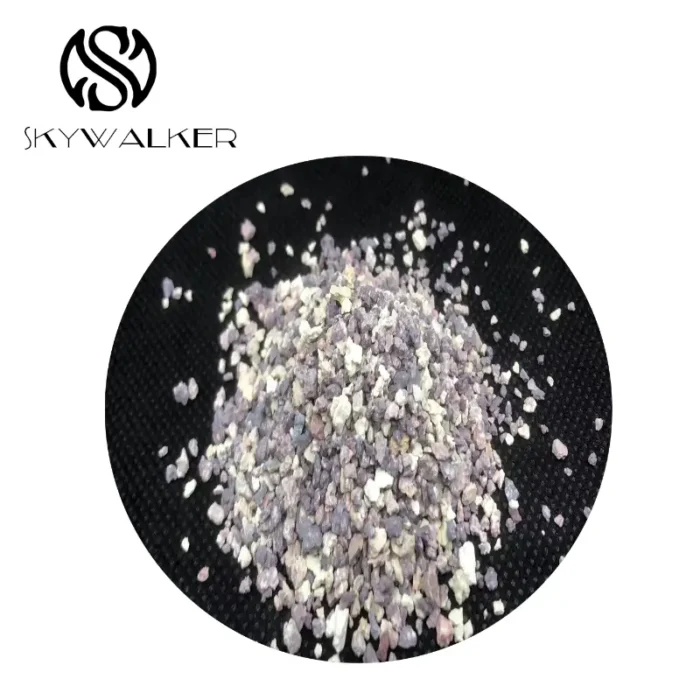
Recognizing refined lightening clay implies a comprehensive analysis of its aspects. This distinctive object is frequently engaged in the processing of vegetable oils, expertly removing unwanted matter. The activation procedure typically involves mechanical treatment, improving its absorption power to collect colored pigments. In the end, this report will explore the principles behind processed bleaching clay and its roles.
Detoxifying Clay Distributors: Choosing the Fitting Partner
Securing a trustworthy source of processed soil is critical for many businesses, particularly those involved in vegetable oil distillation. Selecting the appropriate company requires meticulous consideration beyond just fee. Appraise their performance in raw material provision, their verification procedures, and their capability to consistently match your output needs. A good bleaching earth supplier will also offer technical support and a range of grades to match your specific application.
A Mechanism Behind Processed Whitening Clay
Activated bleaching clay, a cornerstone in the refining process for edible oils, functions through a fascinating blend of solid and chemical operations. Initially, naturally occurring attapulgite is activated – a technique involving heat and elements – to drastically increase its surface expanse. This expanded surface provides an immense number of sites for the careful adsorption of color pigments, blemishes, and adverse odor compounds. The mechanism is primarily surface attraction, where molecules are held by weak van der Waals contacts, though some covalent adsorption can also happen with certain compounds. This results because of a significant decline of color and boost of the oil's aspect and aroma.
Bleaching Soil - Traits and Utilizations
Whitening element, frequently designated porcelain clay, demonstrates unique features that render it highly important across several variety of industries. Its leading attribute is its striking brightness, sprouting from its small oxide degree. This aspect renders it favored for purposes demanding a clear aesthetic. Supplementary to its tint, whitening aggregate is generally malleable and contains distinguished pliancy, permitting it to be conveniently molded. Usual uses contain writing making, tire stiffening, medicinal compositions, beauty materials, and as an absorbent element in myriad processing functions. Moreover, it finds service in ceramics and varnish domains.
Picking the Perfect Treated Whitening Aggregate for Your Applications
Deciding on the correct whitening mineral can be a sophisticated procedure, as diverse applications need different properties. Evaluate the classification of element you’re processing; some materials are favored for organic oils, while some are geared towards faunal fats. Components activated bleaching earth like void volume and absorption efficiency markedly influence operation.
- Consider the color and scent level of the source to determine the mandated detoxifying level.
- Review the granularity; more finely divided particles generally grant enhanced surface area, but may induce filtering challenges.
- Apprehend the dampness level as it determines the earth’s adsorptive power.
Clarifying Substance: Processing Methods and Assurance
The creation of bleaching earth, a widely utilized agent for oil refining and chemical purification, involves several key intervals. Initially, attapulgite is procured and then subjected to conditioning via heat treatment and/or chemical reaction. This method enhances the adsorptive properties of the mineral. Then, rigorous caliber assessments are implemented, encompassing quantifications of particle size distribution, viscous liquid adsorption strength, and fluid quantity. Advanced analytical techniques, such as microscopy analysis and formal assessment, are utilized to validate a steady commodity that meets stringent provisions.
Eco-friendly Sourcing of Processed Bleaching Mineral
The escalating demand for activated bleaching earth presents a crucial challenge regarding its development and environmental influence. Conventional sourcing methods can trigger habitat damage and depletion of natural resources. Consequently, a redirection towards sustainable sourcing is critical. This involves emphasizing practices like afforestation of mined areas, utilizing waste remnants from other industries for manufacture, and assisting indigenous communities to protect ethical and sustainable mining conduct. Furthermore, endorsement schemes and rigorous evaluation processes are needed to corroborate that the soil is acquired in a truly ecological manner. Aspects should also include limiting fuel consumption during handling and liquid usage.
- Revegetation efforts
- Utilizing waste materials
- Collaborating with local communities
- Authentication schemes
Refining Compound Source Catalog: Principal Companies Positioned
Selecting a reliable material provider can be a barrier, but our comprehensive list aims to facilitate the process. We’ve assiduously compiled data and listed leading corporations in the bleaching earth trade. This resource highlights notable producers known for their standards and consultation, allowing buyers to identify the leading source for their specialized needs. Diverse factors, including manufacturing scale, lineup, and endorsements, were weighed in determining these top rankings.
Fathoming Activated Bleaching Earth Performance Metrics
To successfully determine the merit of activated bleaching earth, it’s crucial to understand key operational metrics. These values often include color measure, typically measured using a meter, which demonstrates the earth’s ability to extract color from oils. What’s more, acid index is vital, as it influences the bleaching process; a higher amount usually relates with improved bleaching capabilities. Finally, adsorption area, often measured via BET analysis, significantly impacts the earth’s capacity to bind colorants, ultimately affecting its overall clarifying capability.