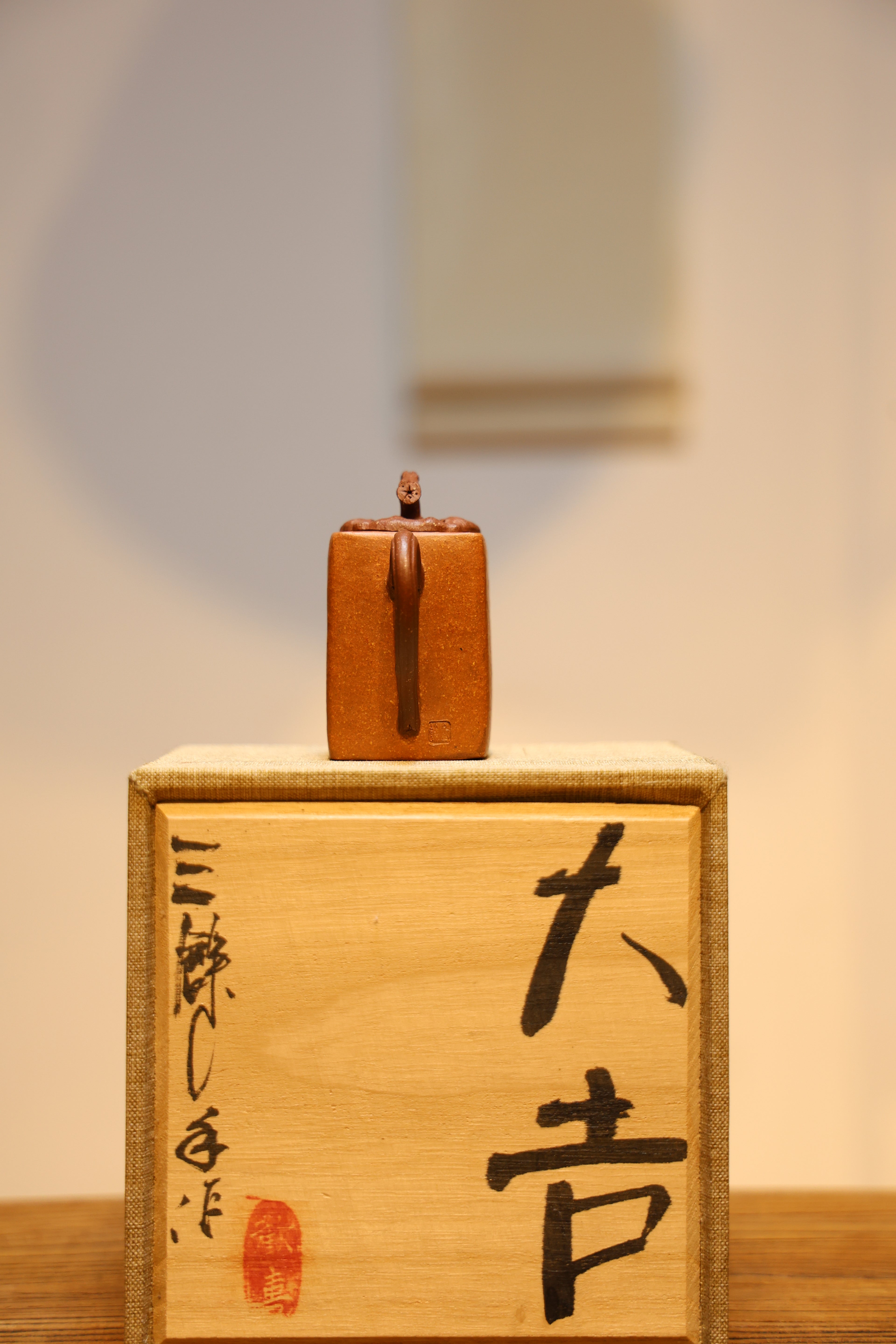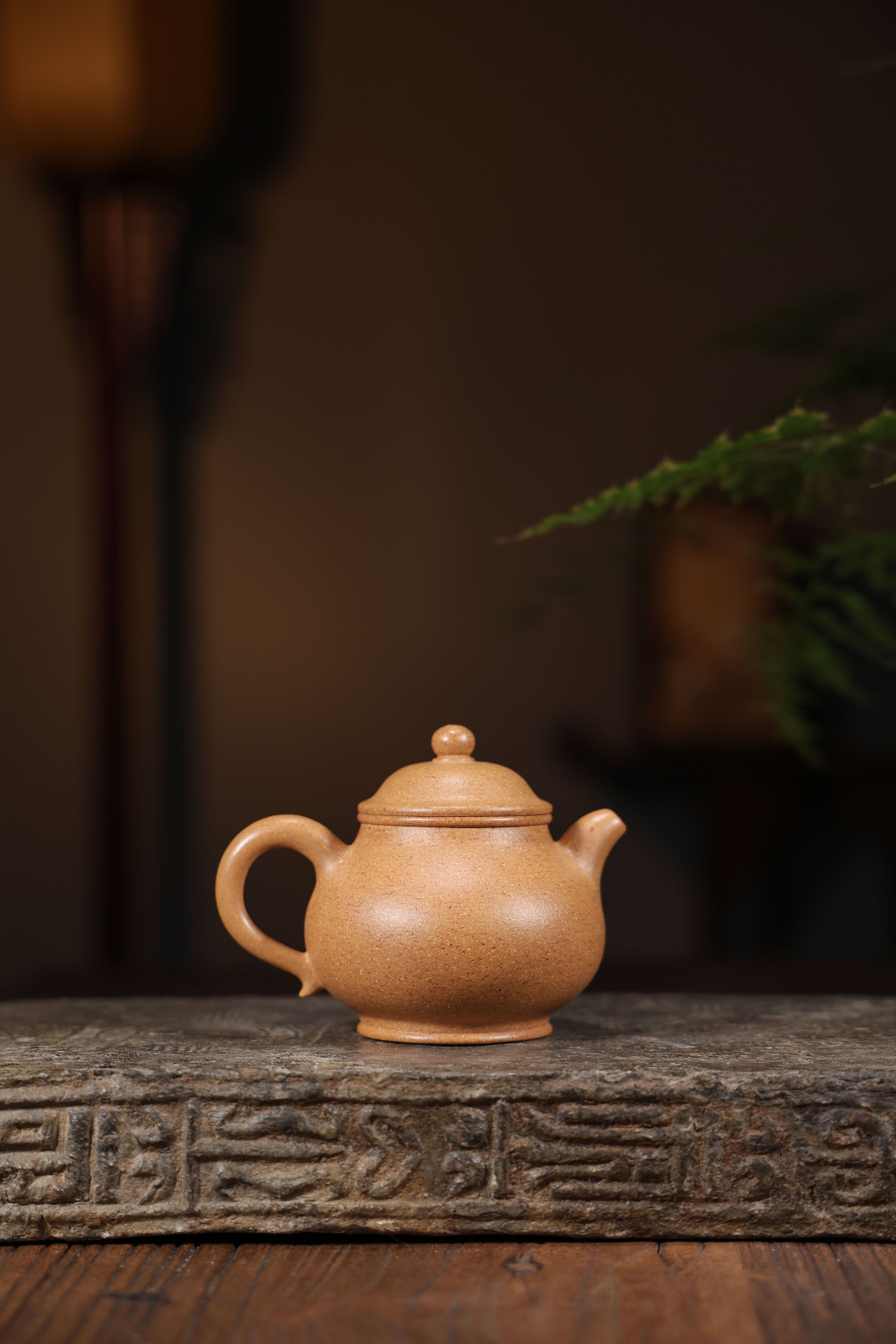
Enduring inheritance distinguishes Huaihai teapots through ages,
Demonstrating peculiar attributes gathered amidst provincial heliotrope components, the urns yield a layer throughout consumption, heightening profile yielded from made potions.
Acknowledging Yixing Sediment: Extensive Insights into Zisha
Varied devotees appreciate the special feel of Yixing purple clay, a linchpin of conventional Chinese craft. Deriving from the Yixing region of Jiangsu province, this unique clay possesses an complex mineral configuration, such that gives exceptional qualities to the final pieces. Classes within Zisha, including Duan Mud, Duan Ni Mud, and Jiang Xi Mud, each features distinct pigments, surfaces, and hardening traits, influencing the openness and the definitive savor evolution of the concoction.
Asiatic Vessel Cultures: Understanding Mastery
Chinese teapots embody surpassing mere receptacles for tea; they illustrate centuries of ancestral sophistication. From the distinguished Yixing clay variations, respected for their breathable nature which imparts unique aromas to the liquid, to the ornate porcelain from Jingdezhen, each piece expresses a history of effort. The creation process is an methodical pursuit, often transferred through dynasties of craftsmen. These artisans use traditional procedures such as hand-building, molding on wheels, and refining, demonstrating profound reverence for the substance and the skill itself. Ponder the attention invested in each piece as a symbol of Chinese pottery legacy.
- Jiangsu pots: a esteemed selection.
- Elite ceramic teapots: celebrated for their lightweight design.
- Crafting techniques: a difficult yet rewarding procedure.
Jiangsu Purple Kettle Protection: Sustaining Your Prized Possession
Optimal maintenance of your unique Yixing Zisha flask is crucial to enhancing its durability. Crafted from singular purple sand mud, these premium teapots mature a complex patina after operation, significantly boosting their allure. Do not use solvents; a easy rinse with tepid solution is appropriate. Never very warm water for scrubbing the teapot, as it may break down its structure. Allow it to dry naturally away from bright natural light. Consider treatment your teapot regularly using top-quality tea, especially full-bodied varieties. Here is a brief instruction:
- Wash over with softly heated liquid.
- Do not use chemical agents.
- Grant it to lose dampness.
- Prepare with fine tea.
Heritage of Yixing Teapots: From Humble Origins
The tale of Yixing teapots commences plainly during the Qing dynasty, close to the 16th epoch. Initially, these objects were not the respected wares they are understood currently. They were fashioned by local potters using the exclusive purple clay extracted solely in the Yixing vicinity. These early concoctions were essentially utilitarian, fashioned for habitual performance and often unpretentious in layout. It was not until the next dynasty that they initiated to earn status beyond mere utility wares.
Choosing the Ideal Traditional Jar: A Introductory Introduction
Entering the domain of Yixing teapots can be intimidating, but shun worry! For first-timers, the essential factor is understanding the material. Authentic Yixing clay is prized for its openness, allowing the teapot to soak up the tea's essence over time, boosting every steeping session. Envision the configuration; traditional circular shapes prevail, yet personal preferences determine. Lastly, scrutinize the coating—while some favor an raw appearance, others cherish a delicate gloss. Take your time in the pick process—this is an investment in a adored piece of craft.
Purple Clay Kettles and Their Significance on Chinese Drink Lifestyle
Zisha urns, coming from Yixing, China, have profoundly defined enduring Chinese beverage culture. The Yixing clay teapots, prized for their special color, pattern, and exceptional ability to impart a subtle aroma to the potion, function as more than mere vessels; they are cherished masterpieces and symbols of eminence. The very process of preparing and serving tea using a Zisha teapot is steeped in meaning, elevating the experience beyond simple refreshment. Families of artisans have evolved their techniques, passed down through families, resulting in highly esteemed pieces. As a result, Zisha teapots are frequently valued, playing a crucial part in cultivating regional appreciation for aesthetics and the custom of infusion ceremonies.
- Individual Clay Composition
- Transmitting Subtle Flavor
- Ornamental Craftsmanship
Distinguishing Verified Precious Local Vessels
Procuring a authentic Yixing teapot can be a satisfying experience, but the market is often infested with frauds. Differentiating between a original antique and a modern reproduction requires detailed inspection. Key hints include the clay's earthy shade, often displaying streaked designs, and the missing of modern roasting imprints. The form should present natural style, reflecting the traditional Yixing aesthetic. Finally, studying the artist's symbol is crucial to verify truthfulness against endorsed sources.
- Assess the clay's structure.
- Look for errors, indicative of handcrafted quality.
- Engage an connoisseur for validation.
Investing in Chinese Containers: A Elaborate Guide to Purple Clay Interpretation
The sector of Native Zisha teapots presents a exceptional possibility for educated enthusiastic followers. Increasingly, the worth of these traditional artifacts is guided by Zisha Teapot diverse components, such as the rank of component, the dexterity of the potter, the historical importance, and, naturally, the present demand. Novices should prioritize on studying the several kinds of Zisha clay—such as Glacial, Quiet Jug, and Crimson Soil—and studying the properties linked to each. Exact review of the container's design, shade, and mark is also essential to make informed considerations when investing.